

Slow Drains And Unpleasant Odors: Understanding Problems Inside Your Pipes
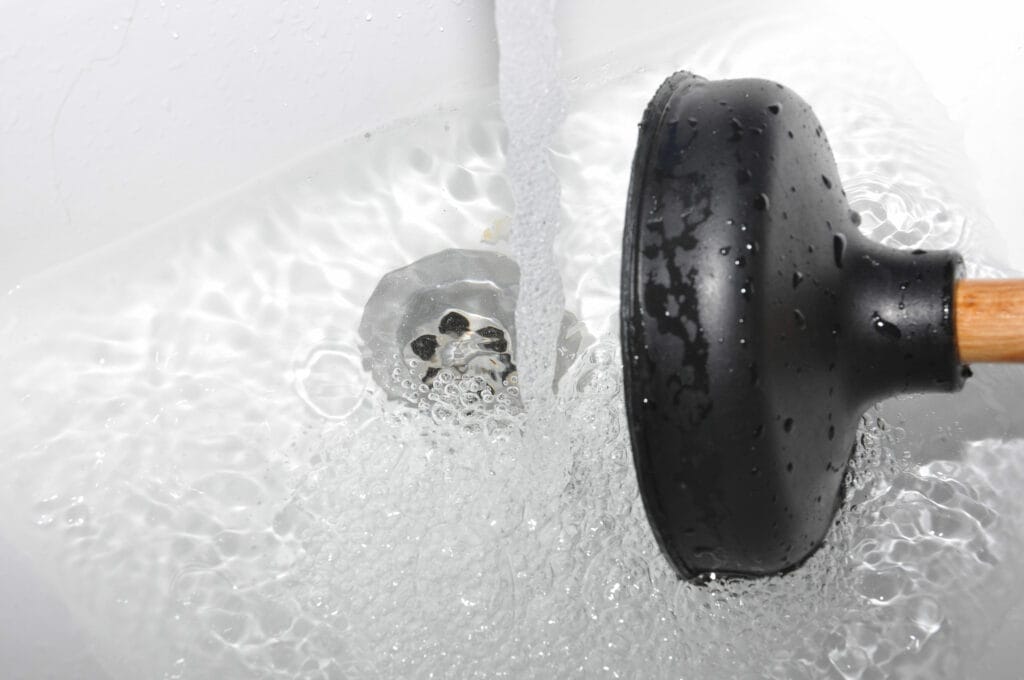
Slow Drains

Homeowners may be surprised to learn more about a plumbing system from a sink that takes longer than normal to empty or an odd odor emanating from a bathroom drain. Wastewater, food particles, soap residue, and other items are transported from living areas via drainage pipes. These materials may build up along pipe walls over time, obstruct water flow, and create uncomfortable conditions. Property owners may spot emerging issues before they result in major plumbing interruptions by understanding the connection between sluggish drainage and odd smells. Why Does Water Pass Through Drainage Pipes Slowly? To effectively move wastewater, drainage systems need pipes of the right size, appropriate slopes, and clear routes. The amount of room available for water passage steadily diminishes as materials build up within these pipes. Cooking oil, food scraps, and detergent residue are often collected by kitchen drains. Grease may cool and stick to pipe surfaces even though it can reach the drain in liquid form. Then, more trash clings to these deposits, forming layers that are progressively more constrictive. There are several problems with bathroom drains. Dense blockages may be formed by hair, toothpaste, soap residue, and personal hygiene items. These substances often gather around pipe bends and drain connections, where water flow changes direction. The severity of these limitations may be assessed by a qualified Drain Unclogging Service Houston, who can also choose the best cleaning technique for the impacted plumbing system. The Relationship Between Unpleasant Odors And Drain Blockages When organic debris becomes stuck in drainage pipes, unpleasant drain smells can result. Grease deposits, food scraps, and other garbage might start to break down and release gases that rise through the drain hole. But not all smells point to a bottleneck. In order to keep sewage gases out of inhabited places, plumbing fittings include curved pipe portions known as traps that hold small quantities of water. The water in a fixture’s trap may evaporate if it is left unused for a long time. Sewer smells may also escape due to improper venting, broken seals, or leaky drainage connections. Cleaning a drain won’t fix a damaged seal or a faulty vent connection, so determining the problem is important. Professional attention should be given to persistent sewage odors, especially if they are accompanied by peculiar drainage behavior. Several Slow Drains Could Point To A More Serious Issue A single sink that drains slowly often indicates a localized blockage. However, a common drainage branch or main sewer connection may be the issue if many fixtures start to drain badly at the same time. For instance, if an obstacle limits flow farther down the system, wastewater from an upper fixture may induce bubbling in a lower drain. When airflow within the pipes is hampered by drainage or venting issues, toilets may also make gurgling noises. The location of a possible limitation might be inferred from these symptoms. If you ignore them, wastewater may build up and eventually back up through a lower fixture. Expert examination aids in differentiating between minor fixture blockages and more serious drainage system malfunctions. Why Sometimes Temporary Drain Cleaning Techniques Don’t Work When sluggish drainage occurs, many homeowners first use chemical cleansers, hot water, or repeated plunging. Some techniques can remove small obstacles, but they may not be able to get rid of deposits that are firmly affixed to the inside of pipes. When used incorrectly or in conjunction with inappropriate products, chemical cleaners might potentially raise other issues. Some formulas could expose consumers to dangerous contaminants or harm delicate plumbing components. By physically dismantling or removing obstacles, mechanical drain cleaning provides an alternative method. Professionals may use drain cables, inspection cameras, or controlled water pressure devices, depending on the state of the pipe and the position of the obstruction. Instead of depending only on one cleaning method, a skilled Drain Unclogging Service Houston may choose equipment based on the pipe material, drainage arrangement, and kind of blockage. Conclusion Unpleasant smells and sluggish drains are often the first signs of problems forming within drainage lines. Normal wastewater circulation might be hampered by grease deposits, trapped debris, broken plumbing parts, and sewage line obstructions. Instead of relying on band-aid solutions, homeowners may react effectively by being aware of these issues. Drainage systems may be kept operating well while shielding the property from preventable plumbing issues with regular maintenance, cautious waste disposal, and prompt expert inspections. EvanEvan writes this site’s plain-language guides to DigiShakti and the UP free tablet scheme. www.digishakti.info


Assessing The Financial Losses Following A Dog Attack In Denver

Dog Attack

A dog bite can leave a person dealing with much more than an immediate wound. Medical treatment, missed work, permanent scars, emotional distress, and future care can all create lasting consequences. When an injured person considers pursuing compensation in Denver, one of the first questions is often how much the claim may be worth. There is no standard amount assigned to every dog bite case. The potential worth can be greatly impacted by the attack’s conditions and the magnitude of the losses that follow. Consulting a Denver dog bite law firm can help an injured person understand which details may influence a claim and how different categories of damages may be evaluated under Colorado law. Severity Of The Physical Injuries The nature and severity of the injuries are among the most important considerations. A relatively minor wound that heals after basic medical treatment will generally involve different damages than an attack causing deep punctures, torn tissue, nerve damage, fractures, or significant infections. Severe injuries can require emergency treatment, surgery, stitches, medication, specialist appointments, or rehabilitation. When treatment becomes extensive, both the financial cost and the effect on the victim’s daily life may increase. Medical documentation can therefore play an important role. The extent of injuries and the necessary treatment can be determined by looking at records of diagnoses, procedures, prescriptions, and follow-up care. Scarring And Disfigurement Dog bites frequently affect exposed areas such as the hands, arms, legs, neck, or face. Even after the wound itself heals, noticeable scarring may remain. Permanent scars can influence a claim because their consequences may continue for years. Facial scarring can be particularly significant when it affects appearance or confidence. Some victims may eventually consider reconstructive procedures or other treatments intended to reduce visible scarring. The location, size, visibility, and permanence of a scar can all become relevant when assessing damages. Medical Expenses And Future Treatment Current medical bills provide one measurable component of a dog bite claim. These costs might include ambulance transportation, emergency room treatment, physician visits, diagnostic testing, medications, surgery, and physical therapy. However, the financial impact does not necessarily end when the initial treatment finishes. Some injuries require additional procedures, scar treatment, rehabilitation, or ongoing specialist care. When future treatment is reasonably expected, projected medical expenses may also become an important consideration. Medical professionals can provide information about whether additional care is likely to be necessary. Lost Income And Ability To Work A serious dog attack may prevent someone from immediately returning to work. A person with injuries to the hands, for example, might have difficulty performing a job involving tools, typing, lifting, or other manual tasks. Time away from work can create lost wages. More severe injuries can potentially affect someone’s ability to perform the same occupation in the future. The financial effect may therefore extend beyond income lost during the initial recovery period. Employment records, wage statements, medical restrictions, and other documentation can help demonstrate these losses. Emotional And Psychological Effects Not every consequence of a dog attack appears on a medical bill. Some people experience anxiety, nightmares, fear of dogs, difficulty sleeping, or distress when returning to the location where the incident occurred. Children may be particularly affected by a frightening attack, although adults can experience substantial psychological consequences as well. When emotional effects are significant and documented, they may form part of the broader assessment of the harm caused by the incident. Professional counseling or therapy records can sometimes provide evidence of the duration and seriousness of these effects. Circumstances Surrounding The Attack The facts leading up to the bite matter. Questions may arise regarding where the attack occurred, whether the injured person was lawfully on the property, what interaction occurred before the bite, and who controlled the animal at the time. Colorado’s dog bite laws contain specific requirements and exceptions. This makes the circumstances of the incident important rather than simply assuming that every bite produces the same legal outcome. Photographs, witness information, animal control reports, surveillance footage, and communications involving the dog’s owner can help clarify what happened. Available Insurance Coverage The practical recovery attainable in a claim may be impacted by applicable insurance coverage and other possible sources of compensation, even in cases where there are significant damages. Homeowners or renters insurance may sometimes provide coverage for dog-related injuries, depending on the policy and circumstances. Coverage limits, exclusions, and disagreements about responsibility can complicate the claims process. Understanding the available coverage early can provide a clearer picture of how compensation might realistically be pursued. Quality Of The Evidence Strong documentation can make a considerable difference in demonstrating losses. Photographs taken soon after the attack can show injuries before healing begins, while later photographs may document scarring. Medical records, receipts, wage information, witness statements, incident reports, and correspondence with insurers can collectively create a clearer account of the event and its consequences. Waiting too long to collect evidence can make certain details more difficult to verify. Keeping organized records from the beginning can therefore be valuable. Final Thoughts The value of a Denver dog bite claim depends on the individual facts rather than a predetermined settlement figure. Injury severity, medical costs, future treatment, lost income, permanent scarring, emotional effects, insurance coverage, and available evidence can all influence the final assessment. For an injured person, the priority should be obtaining appropriate medical care and carefully documenting how the attack has affected everyday life. A well-supported claim provides a more complete picture of both the immediate and long-term losses caused by the incident. EvanEvan writes this site’s plain-language guides to DigiShakti and the UP free tablet scheme. www.digishakti.info

Strengthening PPC Results Through Better Campaign Structure

Although instant visibility can be produced by paid search campaigns, visibility by itself does not guarantee the success of an advertising strategy. If a campaign’s underlying structure is disorganized, it may receive hundreds of clicks but still yield unsatisfactory business outcomes. Controlling spending, linking ads to user intent, analyzing performance, and finding areas for improvement are all made simpler by a strong campaign architecture. For companies investing in Google PPC ads, campaign structure should be viewed as a strategic foundation rather than an administrative detail. Advertising budgets can be used more effectively by structuring campaigns around significant variations in goods, services, audiences, and search behavior. Different Campaigns Based On Business Priorities Although managing a single, expansive campaign that encompasses all goods and services might seem simpler, it may restrict control over spending and performance choices. Profit margins, customer demand, competition, and business value are rarely the same for different offerings. Advertisers have more control over where their money is spent when key service or product categories are divided into separate campaigns. While keeping a smaller budget for another offering, a business may wish to make significant investments in a high-margin service. It is simpler to incorporate these priorities into advertising choices when there is a clear campaign structure. When customer value, competition, or service availability differ between locations, geographic differences can also support distinct campaigns. Pay More Attention To High-Value Searches Not every search warrants the same amount of funding. While some keywords suggest that the searcher may be much closer to contacting a business or making a purchase, others indicate that the user is conducting research. These variations can be reflected in the structure of a campaign. Advertisers can assess their costs and conversion performance separately by separating high-intent searches from more general discovery terms. This keeps valuable commercial searches from getting lost in a sea of mixed-intent traffic. Additionally, it makes it easier to see where significant inquiries, purchases, reservations, or other conversions are coming from. Include Landing Page Alignment In The Framework Beyond keywords and ads, a PPC account should be well-organized. A crucial component of the same process is landing pages. There may be extra steps between the initial search and the intended action if all visitors are directed to a generic homepage. Ideally, a visitor looking for a specific service should land on a page that deals with that service right away. As a result, campaigns and ad groups can be organized around accessible landing pages. Users have a more consistent experience from search to conversion when keywords, ad messaging, and page content are closely aligned. Make Performance Issues Easier To Identify By Using Structure Reporting is also enhanced by a well-organized account. Overall statistics can conceal significant differences when irrelevant services and search themes are combined. Let’s say one category gets cheap clicks but very few customers, while another gets fewer clicks but significantly higher conversions. This distinction could be obscured by focusing only on account-level averages. Advertisers can analyze performance at a more useful level with clear segmentation. Then, rather than relying on generalizations, budgets, bids, keywords, ads, and landing pages can be modified based on actual outcomes. Make Space For Testing Without Making Things Confusing PPC campaigns necessitate constant experimentation, but inconsistent account structure makes testing challenging. Advertisers ought to be able to pinpoint the precise change and assess whether it enhanced outcomes. Testing various ad messages, calls to action, keyword strategies, and landing page experiences is made easier with organized campaigns. Making hundreds of small campaigns is not the goal. Rather, every division ought to have a useful rationale related to reporting, budgeting, targeting, or customer intent. Conclusion Spending more money is not always the first step towards improving PPC performance. Organizing current activities more cleverly can sometimes result in the greatest improvement. Clearer links between customer searches, ads, landing pages, budgets, and business goals are produced by a well-designed campaign structure. Additionally, it facilitates the interpretation of performance data and the justification of optimization choices. Businesses are better positioned to reduce irrelevant traffic, concentrate resources on worthwhile opportunities, and convert advertising activity into quantifiable results when every component of a paid search account has a clear purpose. EvanEvan writes this site’s plain-language guides to DigiShakti and the UP free tablet scheme. www.digishakti.info

The Secret To A Tender And Fluffy Microwave Baked Potato

When made correctly, a baked potato is one of those basic dishes that can be unexpectedly fulfilling. For butter, cheese, herbs, vegetables, sauces, and a plethora of other toppings, the soft, steaming interior provides the ideal foundation. Traditionally, you had to wait for the oven to function in order to get that fluffy texture. Fortunately, if the proper preparation technique is used, a microwave may yield a soft potato in far less time. Putting a potato in the microwave and hoping for the best is not the secret. The final texture may be influenced by selecting the perfect potato, properly cooking it, managing moisture, and letting it rest. Choose The Correct Potato First Effective outcomes start before the microwave is turned on. The light and fluffy interior of traditional baked potatoes is often created by potatoes with a relatively high starch content. When cooking many potatoes, it is also helpful to use similar-sized potatoes since they are more likely to cook at about the same pace. To get rid of dirt from the skin, give the potato a good wash under running water. Instead of leaving the surface wet, dry it afterward. The skin keeps the potato together while the inside becomes tender, so there’s no need to peel it. When the objective is to swiftly cook a single baked potato, microwaving provides a practical substitute for those who are investigating various preparation techniques. Before Cooking, Pierce The Skin One of the most important preparation steps is to puncture the potato many times with a fork. As the potato cooks, the liquid within it turns into steam. Tiny holes may allow some of the steam to escape while cooking. Transfer the cooked potato to a microwave-safe plate. Since cooking durations vary depending on the size of the potato and the power of the microwave, checking the texture of the potato is more reliable than depending only on a predetermined cooking time. Halfway through cooking, flip the potato to encourage more even heating. When the center begins to feel mushy, carefully test it with a fork or knife. When it glides into the potato, there shouldn’t be a hard center. Give The Potato Time To Rest Although it’s easy to forget, resting may have a significant impact. Take the potato out of the microwave and let it set for a little while before slicing it open. During this time, residual heat keeps passing through the core, making the texture more uniform. The idea of assessing tenderness is applicable to a variety of cooking techniques. Similarly, while learning how to boil potatoes, chefs must keep an eye on texture rather than just the clock. The speed at which the center gets soft may be influenced by the kind, size, and preparation of the potato. After the cooked potato has rested in the microwave, gently cut it open. Instead of heavily pressing or mashing the inside, gently fluff it with a fork. This gives a cooked potato its light texture and isolates its tender interior. Don’t Overcomplicate It By Adding Toppings A microwave-baked potato may be made into a hearty dinner or kept very simple. Common options include butter, grated cheese, herbs, black pepper, sour cream, and green onions. It may be made more substantial by adding cooked veggies, beans, or other savory ingredients. Avoid overloading the potato right away. The natural flavor and fluffy texture may be preserved by starting with a few complementary ingredients. A Practical Method For Daily Cooking Everyday meals may be made simpler by knowing the fundamentals of potato cooking. While learning the microwave technique offers a quick solution when you want the cozy feel of a baked potato, knowing how to boil potatoes is helpful for recipes like salads, mashed potatoes, and side dishes. The key to a soft and fluffy microwave-baked potato ultimately boils down to a few little variables. Select an appropriate potato, wash and pierce it, cook it evenly, check for softness in the middle, and let it rest. By following those instructions, the microwave becomes a useful tool for creating a warm, fluffy, and adaptable dinner out of a regular potato. EvanEvan writes this site’s plain-language guides to DigiShakti and the UP free tablet scheme. www.digishakti.info